In Christian teaching, spiritual growth is not only about belief but also about the transformation of character. The Bible describes this transformation through the concept known as the fruits of the Holy Spirit. Understanding the fruits of the Holy Spirit explained helps believers see how faith shapes daily attitudes, actions, and relationships.
The idea comes from the New Testament book of Galatians, where the Apostle Paul describes the qualities that naturally grow in a person who lives according to the guidance of the Holy Spirit. These qualities are not simply moral rules. They represent the visible evidence of a life influenced by God’s presence.
What Are the Fruits of the Holy Spirit?
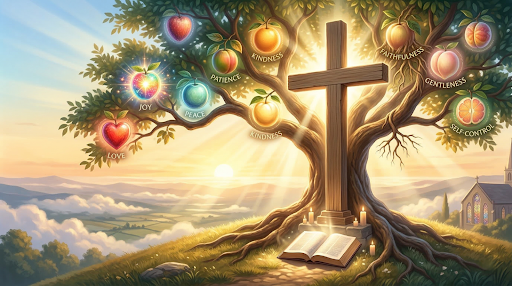
When discussing the fruits of the Holy Spirit explained, Christians usually refer to the nine qualities listed in Galatians 5:22–23. These include love, joy, peace, patience, kindness, goodness, faithfulness, gentleness, and self control.
Each of these qualities reflects a character shaped by spiritual maturity. They are described as “fruit” because they grow gradually over time as a person develops a deeper relationship with God.
Rather than appearing instantly, these qualities develop through faith, reflection, prayer, and consistent spiritual practice.
Love as the Foundation
Among the fruits of the Holy Spirit explained, love is often considered the foundation for all the others. Christian teaching places love at the center of spiritual life because it reflects God’s character.
This love goes beyond simple affection. It includes compassion, forgiveness, and concern for others. Christians are encouraged to show love not only to friends and family but also to strangers and even those who may be difficult to understand.
When love guides a person’s actions, it naturally supports the growth of the other spiritual qualities.
Joy and Peace in Daily Life
Another part of the fruits of the Holy Spirit explained involves joy and peace. These qualities represent an inner sense of stability that does not depend entirely on external circumstances.
Joy in the Christian sense comes from confidence in God’s presence and purpose. Even during challenging times, believers are encouraged to hold on to hope and gratitude.
Peace reflects a calm and trusting spirit. It involves trusting God’s guidance rather than allowing worry or fear to dominate everyday life.
Patience, Kindness, and Goodness
Patience, kindness, and goodness are also essential aspects of the fruits of the Holy Spirit explained. These qualities influence how people treat others and respond to difficult situations.
Patience encourages understanding and restraint when facing frustration or conflict. Instead of reacting quickly with anger, patience allows time for thoughtful responses.
Kindness focuses on generosity and compassion. It encourages believers to help others, offer encouragement, and show empathy in everyday interactions.
Goodness reflects a commitment to honesty and integrity. It encourages individuals to act in ways that align with moral and spiritual values.
Faithfulness, Gentleness, and Self Control
The final qualities in the fruits of the Holy Spirit explained include faithfulness, gentleness, and self control. These traits guide personal discipline and character.
Faithfulness reflects loyalty and commitment in relationships with both God and others. It involves reliability and consistency in actions and beliefs.
Gentleness encourages humility and respect when interacting with others. Rather than responding with harshness or pride, gentleness promotes understanding and patience.
Self control focuses on the ability to manage impulses and choices. It helps believers avoid harmful behaviors and maintain a balanced, thoughtful approach to life.
Spiritual Growth Through the Fruits
The fruits of the Holy Spirit explained represent the visible outcome of spiritual development. As individuals grow in their faith, these qualities gradually become more evident in their actions and relationships.
They serve as a reminder that Christian faith is not only about knowledge or belief. It is also about transformation of character. The presence of these qualities demonstrates a life shaped by spiritual influence.
Through love, patience, kindness, and the other fruits, believers strive to reflect values that encourage harmony, compassion, and faith in everyday life.